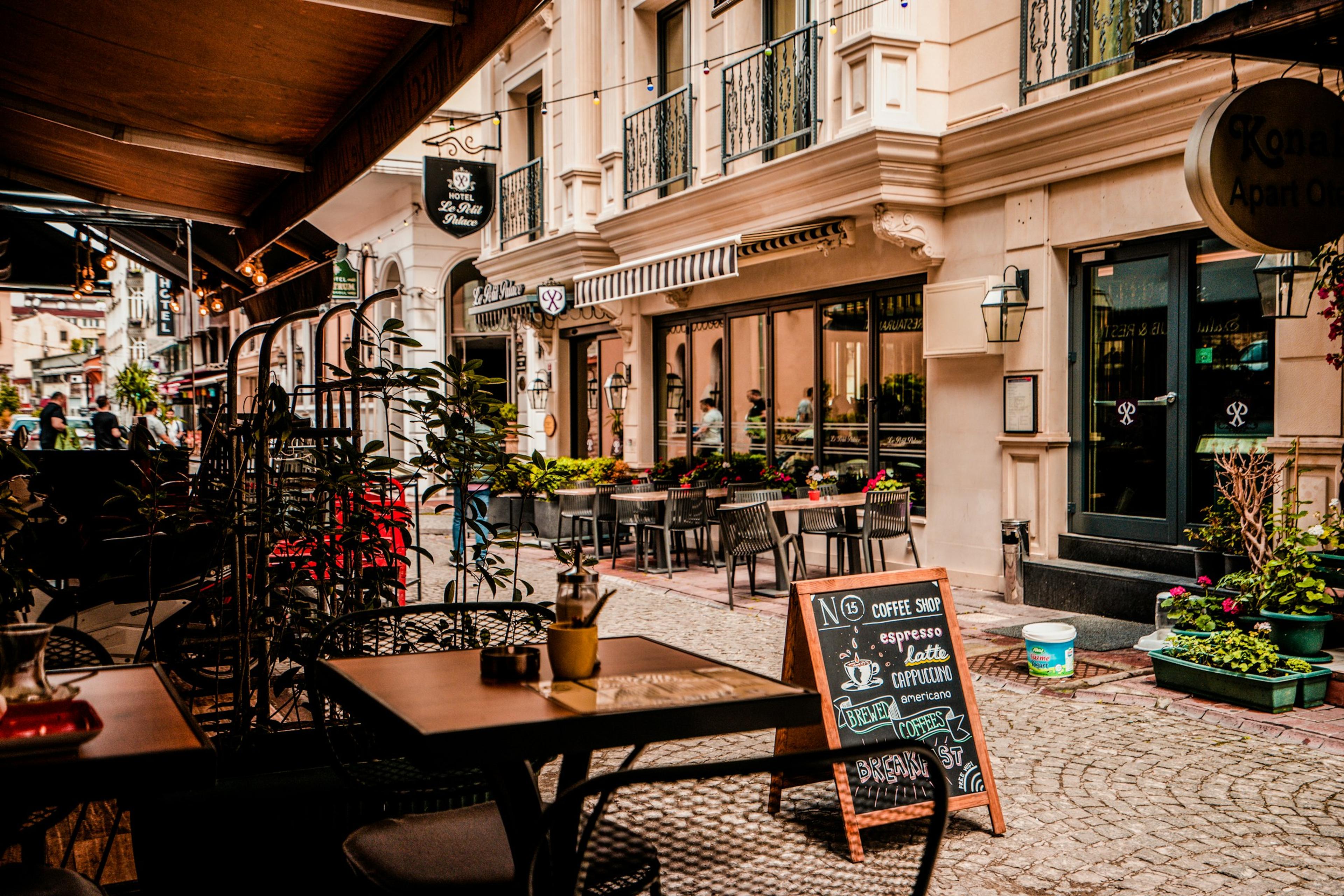
The best travel memories rarely come from the most photographed places. They come from a small neighbourhood restaurant, a Saturday morning market, a chat with the owner of your guesthouse. Travelling like a local isn't quite something you improvise: you prepare for it. Here's how.
Blend in
- Dress like the people who live there. Tourists can often be spotted a mile away by what they wear. Look at how people dress around you, and adopt the same style.
- You'll attract fewer scams. Whoever looks like a tourist is the first target for inflated prices and fake deals.
- Respect local customs, especially in places of worship and in the countryside, where clothing that's too revealing may offend.
Choose where you stay
- A neighbourhood where people live, not just the big-hotel district. You'll find the local bakery, grocery store and café.
- A guesthouse or a small family-run hotel. Your hosts are often the best source of advice in town.
- Stay longer in one place. Three nights in one place beat one night in three cities: you have time to settle into a routine.
Eat where the locals eat
- Move away from the big attractions to eat. Two streets from the most visited sites, prices drop and the food changes.
- Markets: that's where a city's heart beats, especially in the morning.
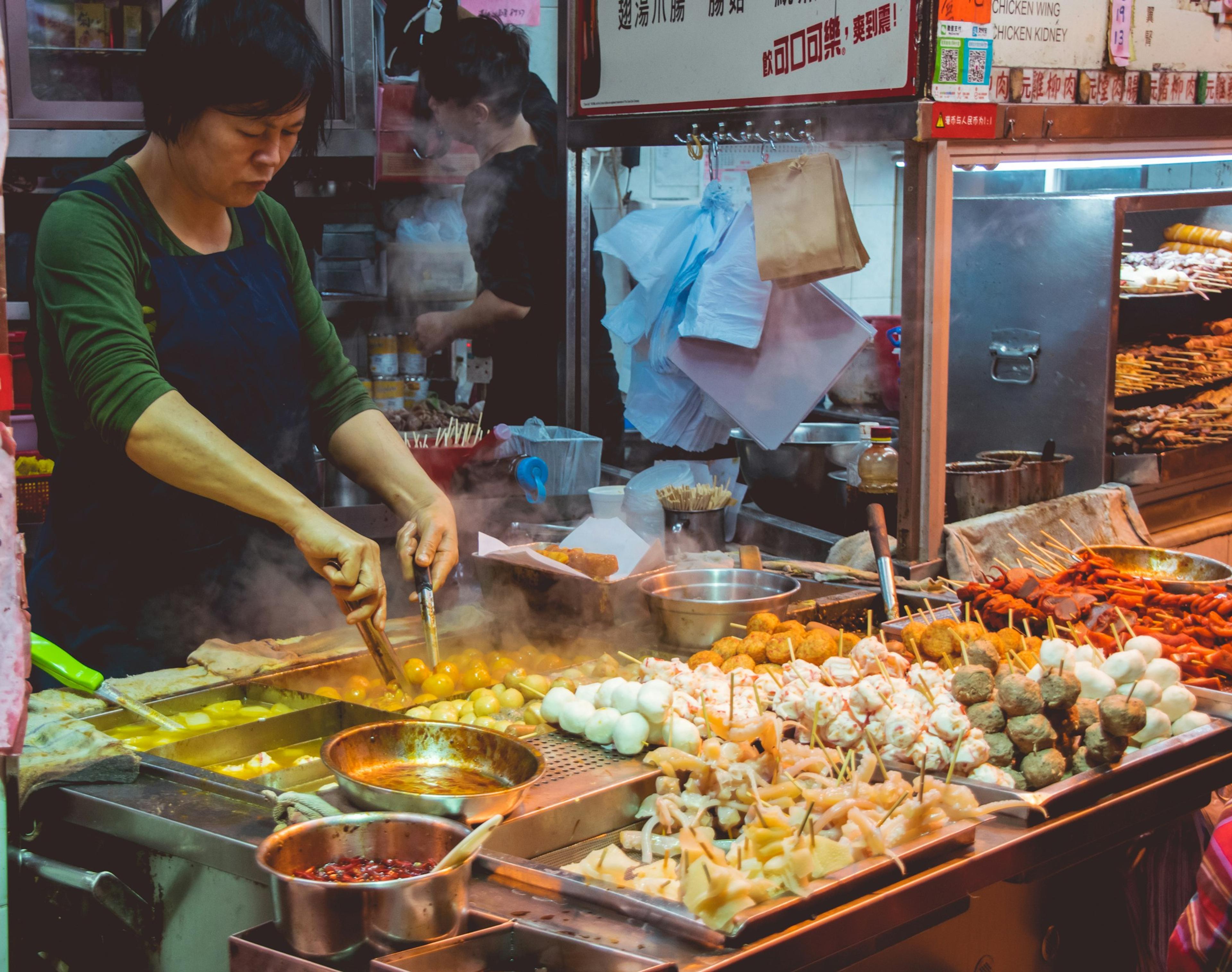
- The lunch menu of the day: in many countries, it's the most generous and least expensive meal of the day.
- Follow the local schedule. In Spain, dinner is late; elsewhere, everything closes in the early afternoon. Better to live at the city's pace than to arrive at closed doors.
- A restaurant full of locals is rarely a mistake. A menu translated into five languages often is.
Get around like they do
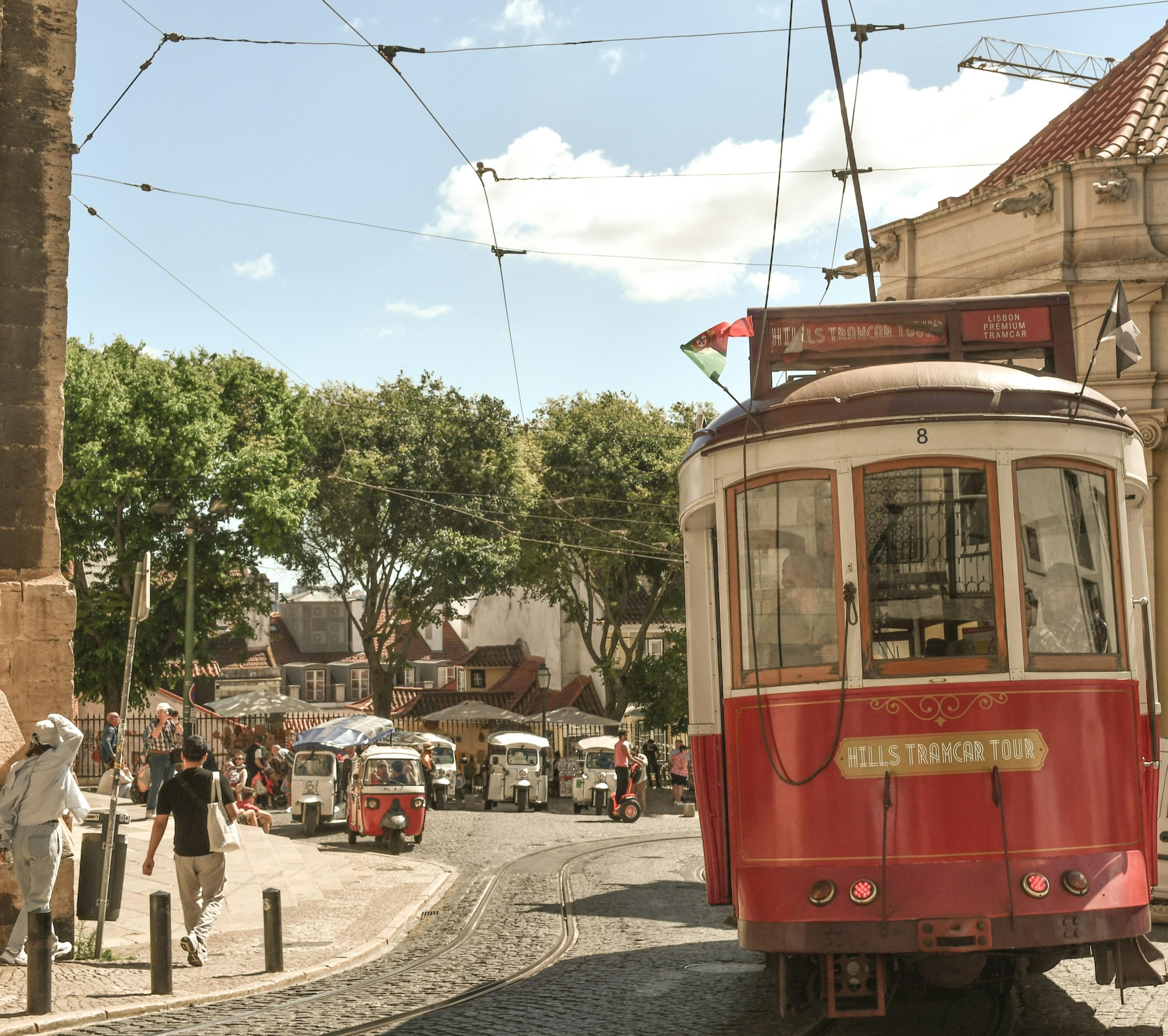
- Public transit, on foot or by bike. You see more from a city bus than from a taxi.
- Head out early. The famous spots are yours before the tour groups arrive.
- Get a little lost. A side street often leads further than an itinerary planned to the minute.
Talk to people
- Learn a few words: hello, thank you, please. They open more doors than you'd think.
- Ask people for their favourite spots: your hosts, the waiter, the shopkeeper. “Where do you go to eat? What's your favourite park?” They're rarely the places in the guidebooks.
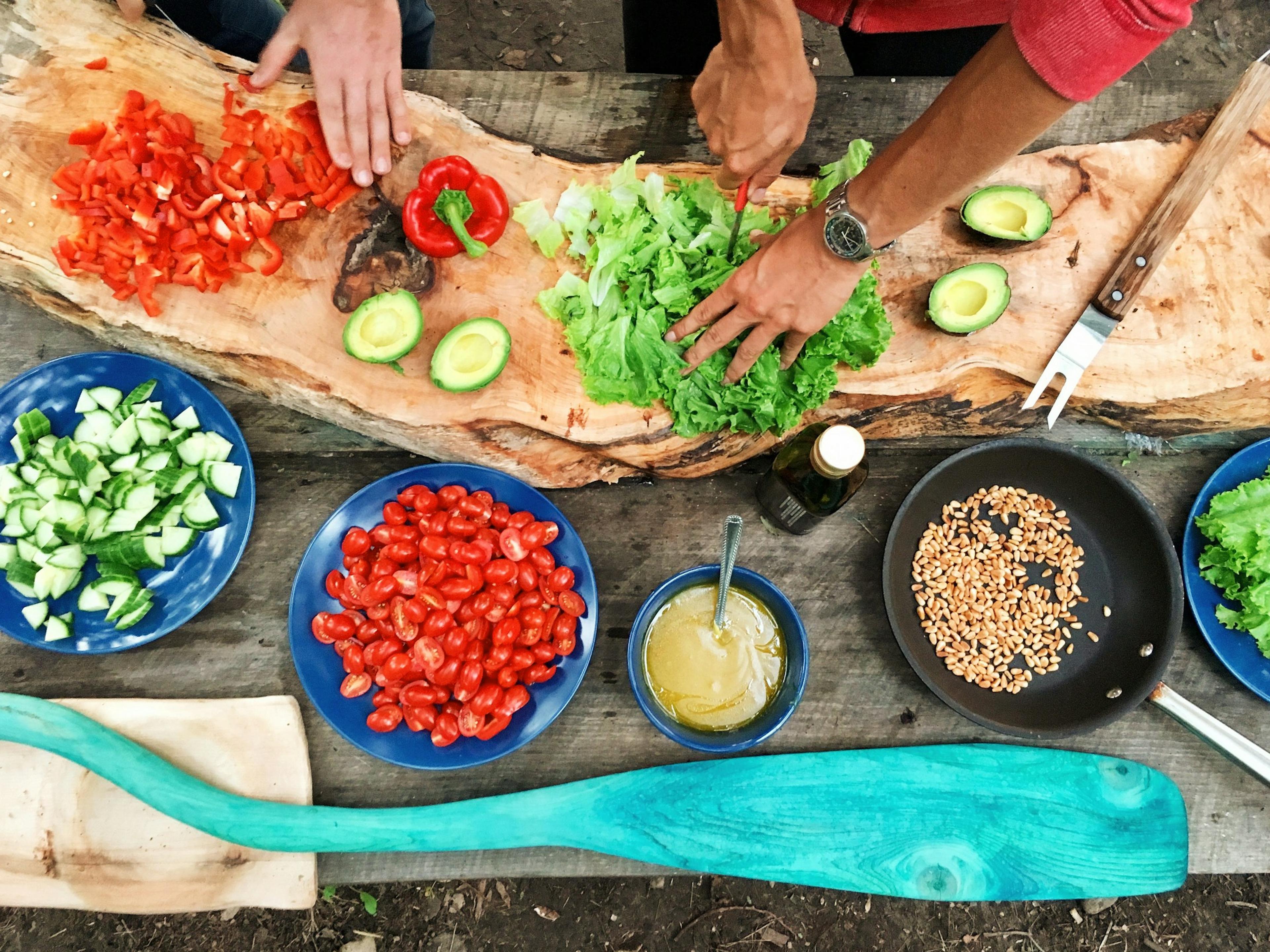
- Do an activity with local people: a cooking class, a tour with a local guide, a craft workshop.
The small things that make a difference
- Pay in the local currency. When a payment terminal offers to charge you in Canadian dollars, say no: the conversion it offers almost always costs more.
- Learn the customs: tipping, dress in places of worship, mealtimes. They vary a lot from one country to the next.
- Travel light. A small suitcase is easy to carry up an old-town staircase; our what to pack list helps you sort it out.
Travelling like a local takes planning
That's where a tailor-made trip really makes sense: the neighbourhood to stay in, the guesthouse, the local guide, the cooking class are all booked before you leave. An advisor who knows the destination steers you away from the tourist traps and leaves you the free time that makes the best memories. See how tailor-made trip planning works.